Panchakarma refers to a classical Ayurvedic therapeutic approach involving selected procedures within a structured plan. Depending on the individual, the programme may include preparation, selected main procedures and post-therapy dietary or lifestyle guidance. It is not appropriate to assume that everyone needs the same procedures.
What exactly is Panchakarma?
The word Panchakarma is commonly understood as referring to five principal therapeutic procedures in classical Ayurveda. In contemporary Ayurvedic practice, the term is often used in the context of a broader treatment process that includes preparation and post-therapy care.
The important point for a patient is this: Panchakarma is a process, not a single treatment. A programme may be designed around the person's health concerns, Ayurvedic assessment, strength, age, current condition and other relevant factors.
At Dr. Prashant's Sattva Ayurveda, the approach is assessment first. If Panchakarma is considered appropriate, the plan is individualized rather than treating every patient with the same package.
Why do people consider Panchakarma?
People may seek Panchakarma for different reasons. Some are looking for an Ayurvedic therapeutic programme for recurring health concerns; others may be advised to consider selected procedures as part of a broader plan of care.
That does not mean that a symptom automatically means Panchakarma is needed. Bloating, heaviness, stiffness or fatigue can have many possible causes. A consultation is important before deciding whether a Panchakarma programme is appropriate.
Common reasons people ask about Panchakarma
- They want an individualized Ayurvedic therapeutic programme for particular concerns.
- They are interested in a structured Ayurvedic programme rather than an isolated wellness treatment.
- An Ayurvedic physician has advised selected procedures as part of individualized care.
- They want professional guidance instead of trying a generic “detox” on their own.
What can a Panchakarma programme involve?
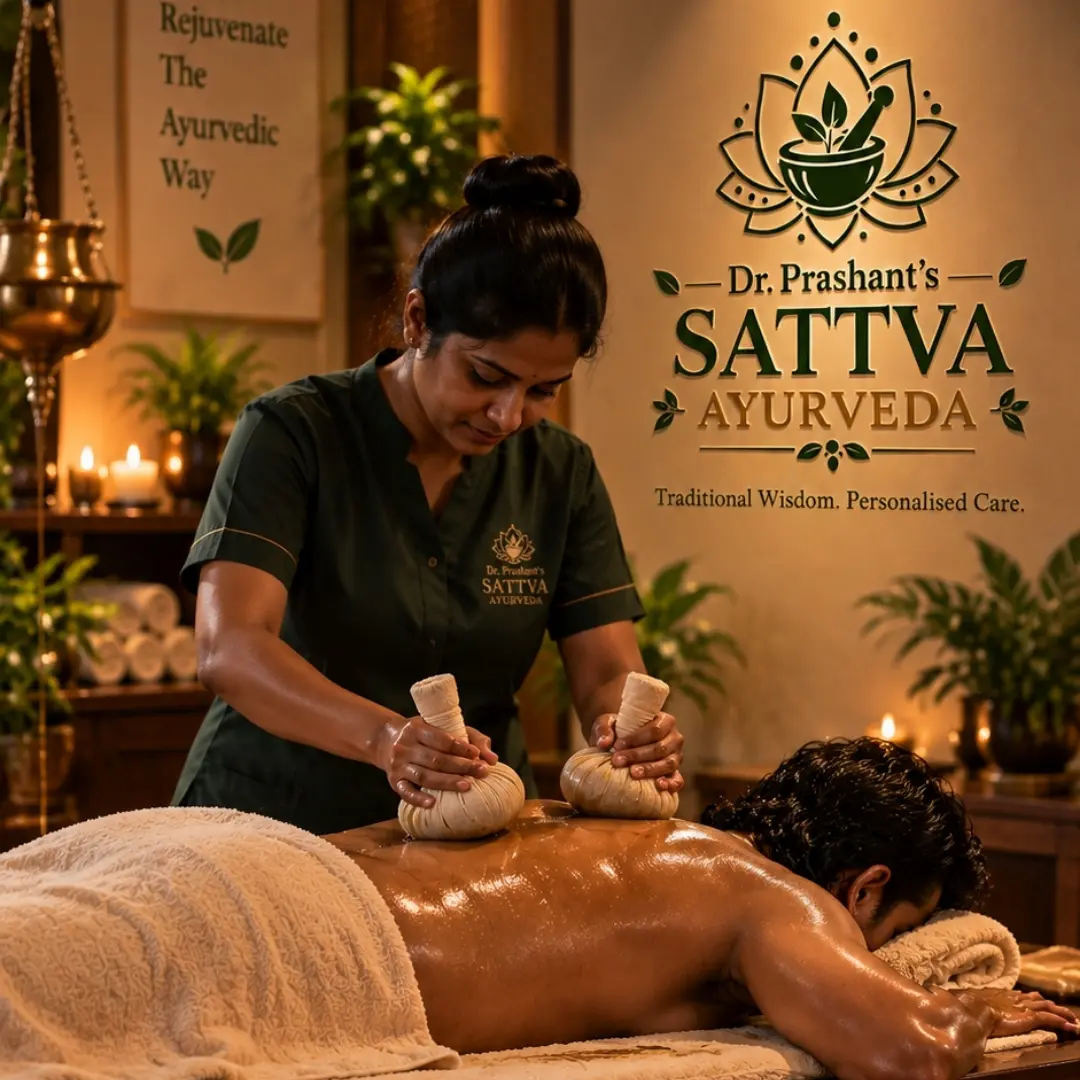
The exact combination is not the same for everyone. Traditional Ayurvedic practice may involve preparatory measures such as Snehana (oleation) and Swedana (sudation), followed by selected procedures such as Vamana, Virechana, Basti or Nasya when considered appropriate.
Not every person will undergo every procedure. The sequence, duration and level of supervision should be determined by the practitioner after assessment.
Consultation & Assessment
Understand the person's concerns, relevant history, current health context and Ayurvedic assessment before recommending a programme.
Preparation
Where appropriate, preparatory measures may be planned before the main therapeutic procedures.
Selected Procedures
Only procedures considered appropriate for the individual are selected. Panchakarma is not a fixed package.
Post-Therapy Care
Dietary, lifestyle and follow-up guidance may form an important part of the overall plan.
Who may be considered for Panchakarma?
There is no single checklist that can tell someone they “need” Panchakarma. The decision should be individualized. A person may be considered when an Ayurvedic physician believes a particular therapeutic approach is appropriate for the person's condition and overall health context.
Because Panchakarma can involve intensive procedures, discuss your medical history, current medicines, ongoing conditions, pregnancy status where relevant, recent illness and other important health information with the practitioner.
Who should not simply start Panchakarma on their own?
Panchakarma should not be approached as a DIY cleanse. Some procedures may require careful patient selection, preparation, supervision and aftercare. If you are unwell, medically vulnerable or unsure about suitability, seek professional assessment before considering intensive Ayurvedic procedures.
Do not stop prescribed medicines or replace established medical care simply because you are planning an Ayurvedic programme. When you have an ongoing medical condition, coordinate care with the appropriate healthcare professional.
“Detox” should not be the only reason to choose Panchakarma.
Panchakarma is better understood as a structured Ayurvedic therapeutic approach. The useful question is not “Which detox package should I buy?” but “Is Panchakarma appropriate for me, and if so, what kind of plan is appropriate?”
What should you expect at a Panchakarma consultation?
- Understand: discuss your concerns, goals and relevant history.
- Assess: consider relevant history and Ayurvedic assessment.
- Decide suitability: determine whether Panchakarma is appropriate or another approach is better.
- Plan: explain preparation, selected procedures, duration and follow-up.
- Monitor: review response and adapt the care plan when needed.
Panchakarma vs. a spa detox
A spa treatment may be designed primarily around relaxation and wellness. Panchakarma, by contrast, is a traditional Ayurvedic therapeutic approach that requires assessment and individualized planning.
A treatment should not be labelled “Panchakarma” simply because it includes massage, steam or herbal products. The term refers to a structured Ayurvedic approach, and the appropriateness of its procedures depends on the individual.
Frequently Asked Questions
What is Panchakarma?
Panchakarma is a classical Ayurvedic therapeutic approach involving selected procedures within a structured plan. Preparation and post-therapy care may also form part of the overall programme.
Why do people consider Panchakarma?
People may consider it when seeking an individualized Ayurvedic therapeutic programme for particular concerns or as part of broader Ayurvedic care. Suitability depends on individual assessment.
Is Panchakarma suitable for everyone?
No. Panchakarma can involve intensive procedures and is not appropriate for everyone. Suitability, preparation, procedure selection and monitoring should be assessed by a qualified practitioner.
Is Panchakarma just a detox?
No. “Detox” is a common marketing description, but Panchakarma is better understood as a structured Ayurvedic therapeutic approach rather than a generic detox package.
What are the five Panchakarma procedures?
Classical Ayurvedic descriptions refer to five principal procedures: Vamana, Virechana, Basti, Nasya and Raktamokshana. In practice, not every patient undergoes every procedure; selection depends on individual assessment and the therapeutic plan.
Does everyone need all five procedures?
No. Panchakarma is individualized. The procedures, sequence and duration are selected according to the person's assessment and suitability.
What happens before Panchakarma?
A consultation and Ayurvedic assessment come first. If Panchakarma is considered appropriate, preparation and the proposed plan are explained before proceeding.
Can Panchakarma be done at home?
Panchakarma should not be treated as a DIY home detox. The setting depends on the specific procedure and individual assessment.
How long does Panchakarma take?
There is no single duration that applies to everyone. It varies with assessment, preparation, selected procedures and follow-up needs.
Can I do Panchakarma without consulting a doctor?
It is not advisable to start an intensive Panchakarma programme without professional assessment. A qualified practitioner should determine suitability and plan the appropriate procedures.
Wondering if Panchakarma is right for you?
Start with a consultation rather than a package. Dr. Prashant Sharma can assess your concerns and discuss whether Panchakarma or another Ayurvedic approach may be appropriate.
Explore more
Learn more about Panchakarma at Sattva Ayurveda , explore specialized Ayurvedic therapies , or meet Dr. Prashant Sharma .
Medical and educational note: This article is for general health education. It does not diagnose, prescribe or replace an individual consultation. Panchakarma and its procedures should be planned and supervised by an appropriately qualified practitioner.